Fiction Animated

Fiction Animated

Animating the world’s stories

Myths, legends, martial-arts epics, fantasy, science fiction and horror from every corner of the world, retold with painted cut-out puppets: paper parts, pinned joints, animated and directed in code.

Every tale comes from a public-domain source, and every source is credited.

The latest tale

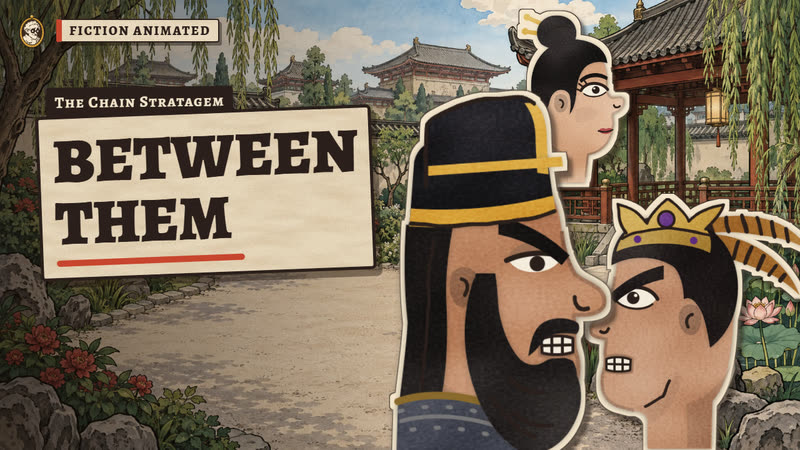
A painted paper-puppet scene from The Chain Stratagem.

The Chain Stratagem

One Woman Set a Tyrant and His Son at War

Chang’an, Han dynasty China, late 2nd century

Three Kingdoms: Duels

The strongest warrior in the empire runs from a heavy old man with a halberd. They are father and son, at war over one young woman. And she walked into that house to make them do exactly that.

Source Romance of the Three Kingdoms (三國演義, Sanguo yanyi), chapters 8 and 9, by Luo Guanzhong (14th century). Our own adaptation from the Chinese original. Source text: the Mao Zonggang 120-chapter recension, as transcribed on Chinese Wikisource: Chapter 8, Chapter 9.
Open on YouTubeThe written tale

Where the tales come from

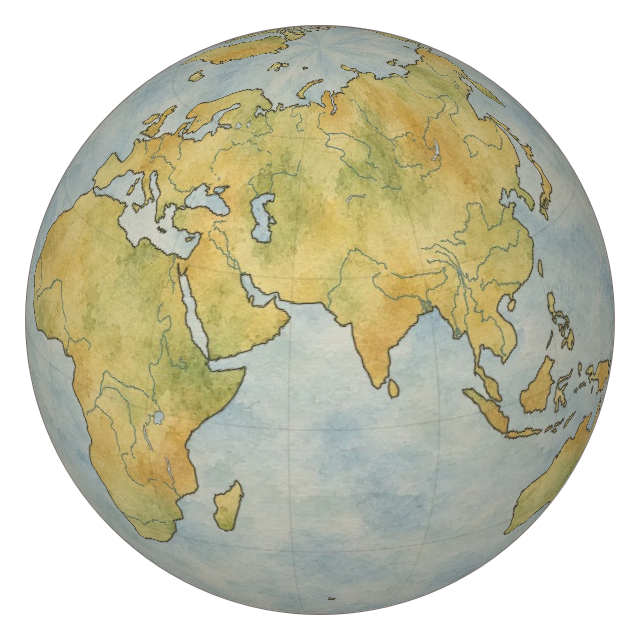
Every tale gets a brass pin where it happens. A tale from an invented world gets its pin where it was first published.

A globe drawn in ink and watercolour on aged paper, showing the places behind our stories.

Arrow keys turn the globe. Plus and minus zoom. Home restores the view. Space pauses or starts rotation. A story pin opens its details. Nearby pins offer a choice of tales. Escape closes the note. All stories also appear in the list beside the globe.

  1. The Chain StratagemChang’an. Han dynasty China, late 2nd century
  2. Lu Zhishen on Mount WutaiMount Wutai. Song dynasty China, early 12th century
  3. The Fisherman and the GenieIllustrative Near East literary frame. An unnamed legendary kingdom in the Arabian Nights
  4. Daedalus and Icarusthe Icarian Sea. Bronze Age Aegean, the age of heroes
  5. Theseus and the MinotaurKnossos. Bronze Age Crete, the age of heroes
  6. Lu Da and the ButcherWeizhou. Northern Song China, early 12th century

From the book

Every series has its own book, and every book its own colour.

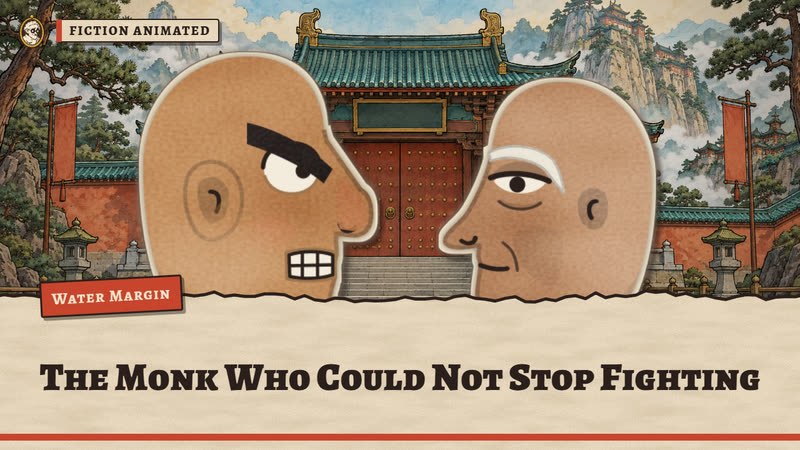
A painted paper-puppet scene from The Monk Who Could Not Stop Fighting.

Lu Zhishen on Mount Wutai

The Monk Who Could Not Stop Fighting

Mount Wutai, Song dynasty China, early 12th century

Water Margin I: The Flowery Monk

A wanted soldier shaves his head to hide in a monastery. Keeping his fists to himself proves harder.

Source Water Margin (Shuihu zhuan), traditionally attributed to Shi Nai’an with Luo Guanzhong, chapter 4 and the opening of chapter 5. Our own adaptation from the Chinese original. Source text: the late-Ming Yuan Wuya 120-chapter edition (Zhongyi Shuihu quanzhuan), transcribed on Chinese Wikisource, pinned revisions 2634240 and 966264: Chapter 4, Chapter 5.

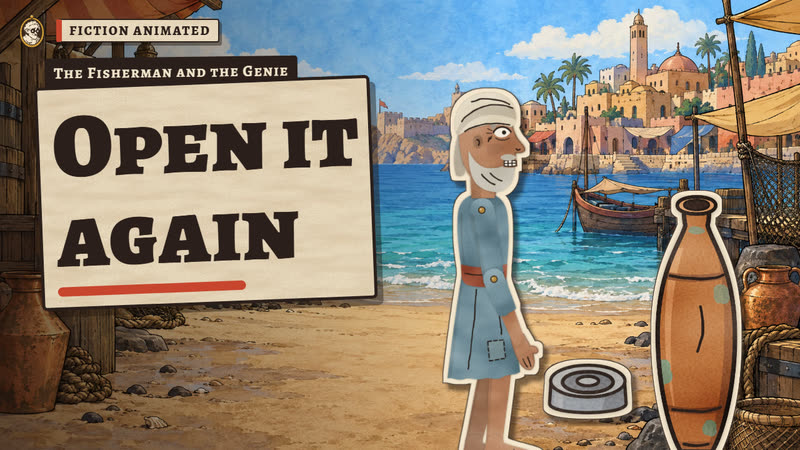
A painted paper-puppet scene from The Fisherman and the Genie.

The Fisherman and the Genie

Why Did He Free the Genie Again?

Illustrative Near East literary frame, An unnamed legendary kingdom in the Arabian Nights

Arabian Nights

He sealed the genie away. Then he opened the vessel again.

Source The Book of the Thousand Nights and a Night, Volume One; Richard Francis Burton (translator, d. 1890), John Frederick Steinhaeuser (translator, d. 1866), Henry Whitelock Torrens (translator, d. 1852), Edward William Lane (translator, d. 1876), Edward Stanley Poole (editor, d. 1867), John Payne (translator, d. 1916). Adapted from this translation. Source text: Richard F. Burton translation and annotations, 1885; Project Gutenberg 3435, Volume One: www.gutenberg.org.

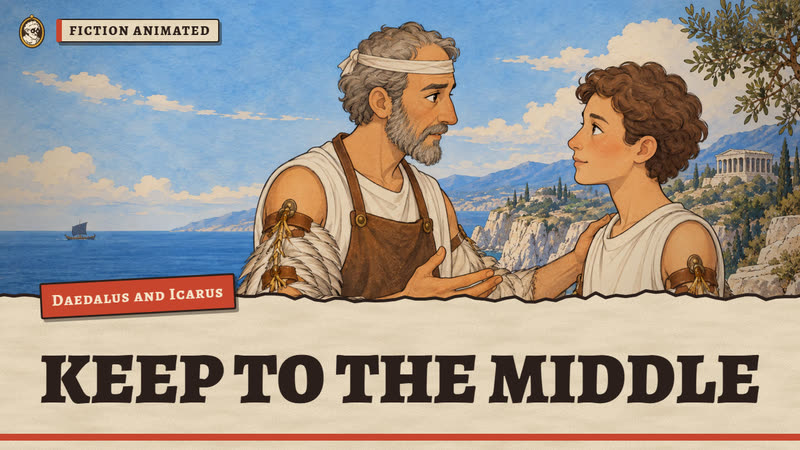
A painted paper-puppet scene from Daedalus and Icarus.

Daedalus and Icarus

A Father Built Wings to Escape a King

the Icarian Sea, Bronze Age Aegean, the age of heroes

Greek Heroes

Minos could close the land and sea. A father built a way into the sky.

Source Ovid, Metamorphoses, Book VIII, translated by Henry Thomas Riley (died 1878), and Apollodorus, The Library and Epitome, translated by Sir James George Frazer (died 1941). Adapted from this translation. Source text: Henry Thomas Riley’s prose translation (1851), Project Gutenberg ebook 26073, Books VIII–XV; and Sir James George Frazer’s Loeb edition (1921), volume II, Internet Archive apollodoruslibra02apol: Ovid, Apollodorus edition, Apollodorus source text.

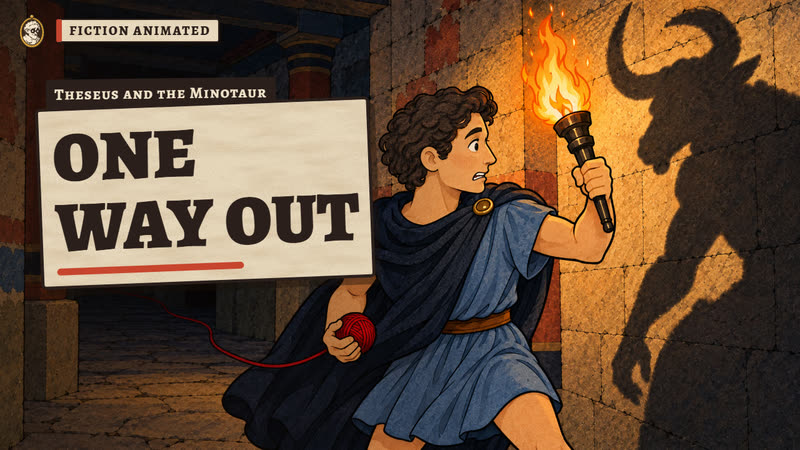
A painted paper-puppet scene from Theseus and the Minotaur, under the words One Way Out.

Theseus and the Minotaur

The Prince Who Volunteered for the Minotaur

Knossos, Bronze Age Crete, the age of heroes

Greek Heroes

Every nine years, Athens sent fourteen of its sons and daughters to Crete, into a maze, to a monster. This year, the king’s own son volunteered.

Source Plutarch, Life of Theseus, in the “Dryden” translation by several hands (John Dryden, editor, died 1700; the Life of Theseus translated by Richard Duke, died 1711), revised by Arthur Hugh Clough (died 1861); and Apollodorus, The Library and Epitome, translated by Sir James George Frazer (died 1941). Adapted from this translation. Source text: Project Gutenberg ebook 674 (Plutarch’s Lives, the 1864 edition) and the 1921 Loeb edition of Apollodorus, volume 2 (Internet Archive apollodoruslibra02apol): Plutarch, Apollodorus.

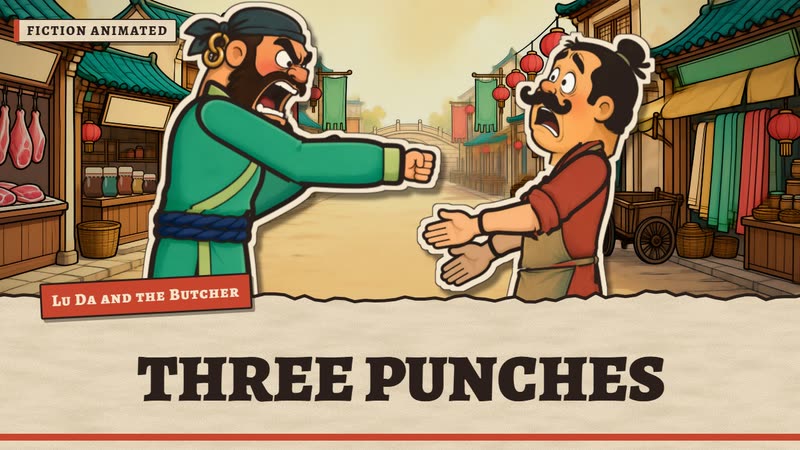
Painted paper puppets in a market street: Lu Da throws a punch at the startled butcher Zheng, under the words Three Punches.

Lu Da and the Butcher

He Saved Two Strangers. By Noon, He Was a Wanted Man

Weizhou, Northern Song China, early 12th century

Water Margin I: The Flowery Monk

An army officer sits down in a butcher’s shop and orders ten catties of lean pork, minced fine. Then ten of fat, then ten of cartilage, and he does not say why.

Source Water Margin (水滸傳, 120-chapter edition), chapter 3 and the opening of chapter 4, traditionally attributed to Shi Naian. Our own adaptation from the Chinese original. Source text: Chinese Wikisource: Chapter 3, Chapter 4.

Find the tales

The tales live on YouTube, with short scenes from each on TikTok, Instagram and Facebook.

Letters to the storyteller: hello@fictionanimated.com

Privacy